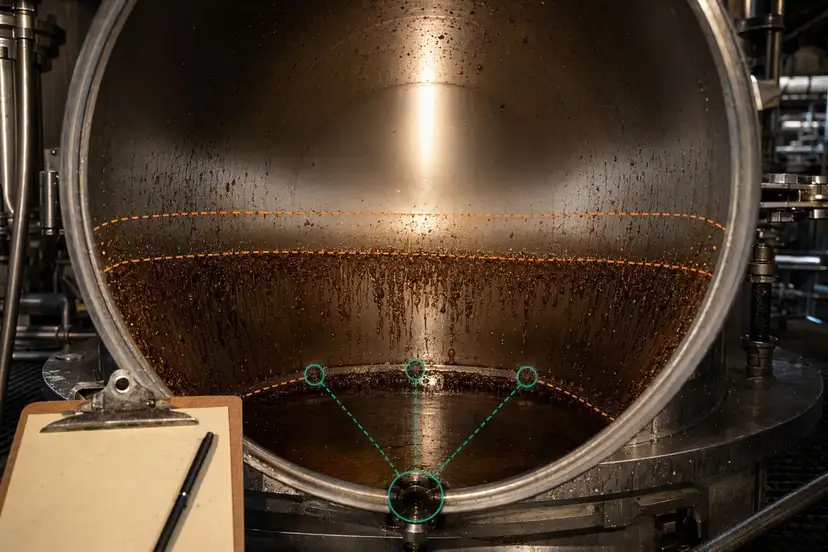
Coffee Processing Plant Sanitation: Residues, Biofilms, Shutdowns
A practical sanitation planning guide for coffee processing plants managing wet residues, tanks, pipes, extraction systems, filtration risk, and seasonal shutdowns.
Request pricing A practical sanitation planning guide for coffee processing plants managing wet residues, tanks, pipes, extraction systems, filtration risk, and seasonal shutdowns.
Request pricingCoffee processing plants do not lose sanitation control in one dramatic event. Control usually slips through residue carryover, slow-draining lines, holding tanks with uneven flow, blind spots around valves, and seasonal shutdowns that leave organic films in place for too long.
For processors handling wet coffee, green coffee preparation, soluble extraction, or coffee concentrate systems, sanitation planning has to be practical. It must protect throughput, filtration performance, extraction consistency, and restart reliability without creating unnecessary downtime.
Parchline Catalytics works as an enzyme supplier for coffee processing with a focus on plant-floor outcomes: cleaner process transitions, lower viscosity where it affects flow, better filterability, stable batch behavior, and technical support for validation.
This guide outlines where residues form, why biofilms become persistent, and how enzyme-supported cleaning strategies can fit into a controlled sanitation program.
Coffee processing residues are not a single soil type. A plant may need to handle pulp fragments, mucilage, parchment fines, green coffee dust, roasted extract solids, oils, insoluble fibers, polysaccharides, and high-strength organic load within the same season.
These materials behave differently across wet processing, extraction, concentration, filtration, and storage. Some soils are sticky and hydrated. Some compact into dead legs and screens. Some dry into hard deposits during idle periods. Others raise viscosity and slow cleaning fluid movement through equipment.
Typical sanitation pressure points include:
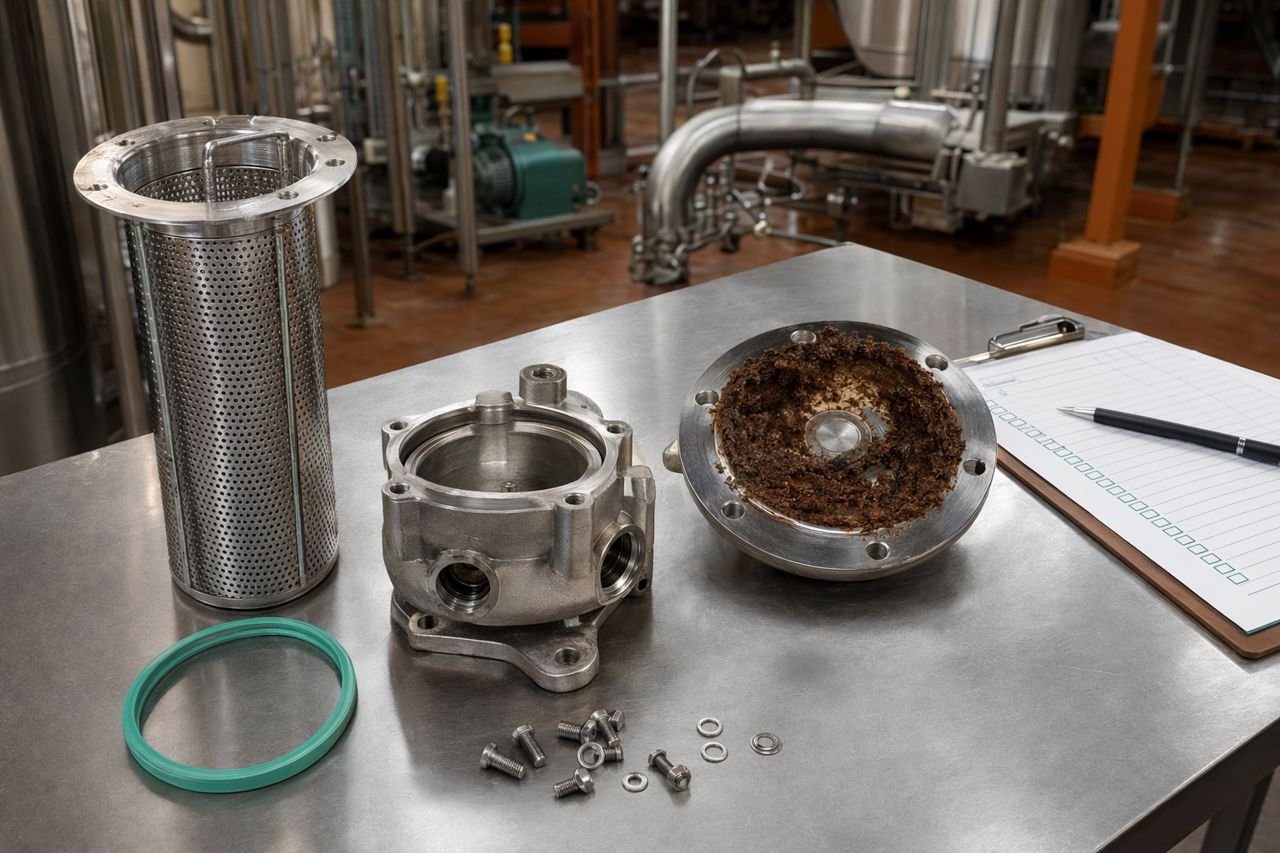
When residues remain in place, they increase the risk of microbial harborage, off-quality carryover, pressure instability, slow filtration, longer cleaning windows, and inconsistent restarts.
Biofilms are easier to prevent than to remove. The early stage is often a conditioning layer of organic material on stainless steel, seals, gaskets, screens, welds, and polymer surfaces. Once this layer persists, microorganisms can attach more easily and form protective structures.
In coffee plants, residue films can include carbohydrates, pectic material, proteins, oils, and fine suspended solids. These films may not be visible after a rinse, yet they can still interfere with sanitation performance.
A good sanitation plan does not treat biofilm control as a final chemical step only. It manages the residue load before that step, so detergents and sanitizers contact the surface more effectively.
Enzyme solutions are not a replacement for validated detergents, disinfectants, heat treatment, or plant sanitation procedures. Their value is in targeted residue breakdown and process support where organic soils create cleaning difficulty, viscosity, or filtration drag.
In coffee processing sanitation programs, enzyme-supported steps may help with:
The commercial objective is not simply a cleaner-looking surface. It is a plant that restarts faster, filters more consistently, runs with fewer pressure surprises, and spends less production time recovering from sanitation drift.
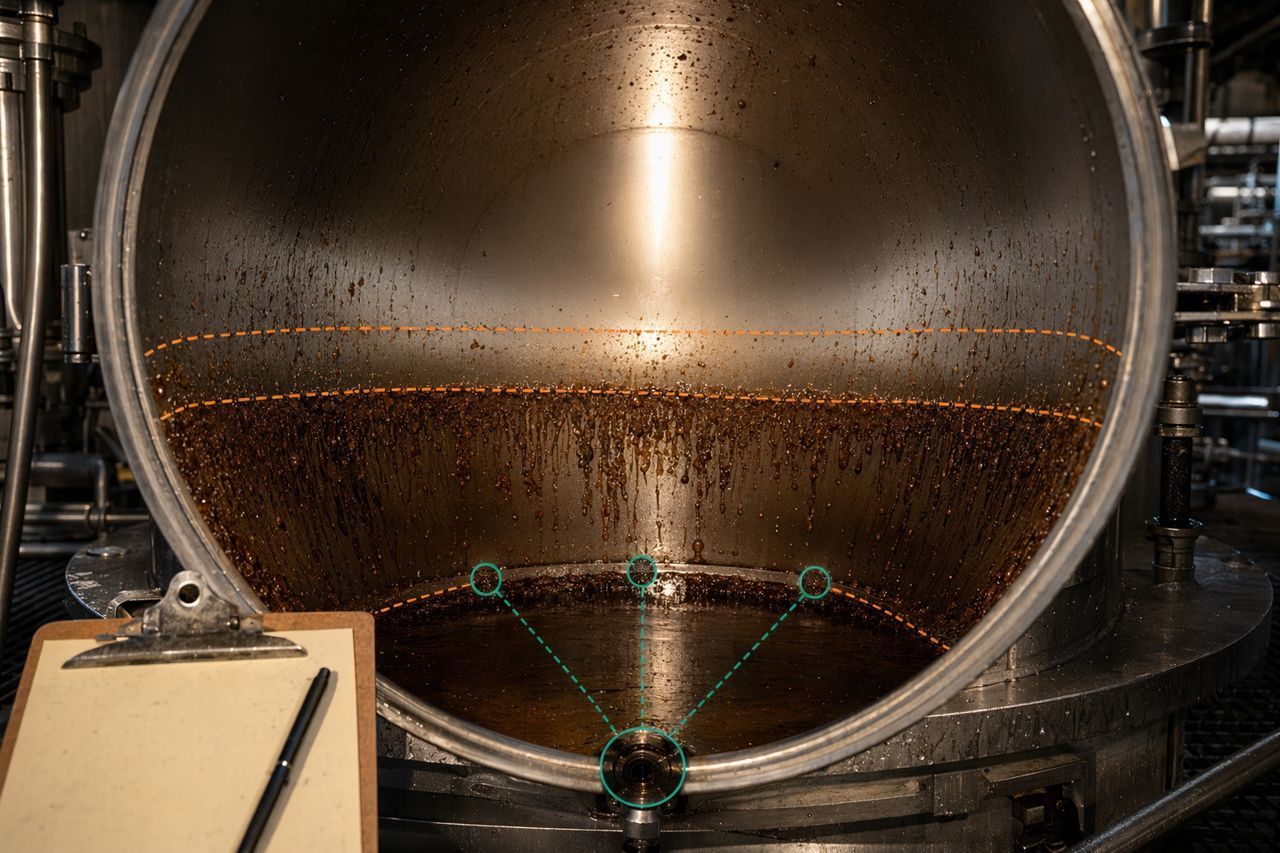
Wet coffee processing creates high-organic-load contact points. Pulp, mucilage, and fine plant material move through equipment that often includes open channels, pumps, holding tanks, and rotating or screening surfaces.
Key sanitation concerns include residue packed into mechanical clearances, hydrated films on tank walls, deposits around drains, and solids settling where velocity drops.
A practical approach includes:
For plants with seasonal peaks, the cleaning plan should also consider what happens after the shift ends, after a weekend stop, and after the final production run of the campaign.
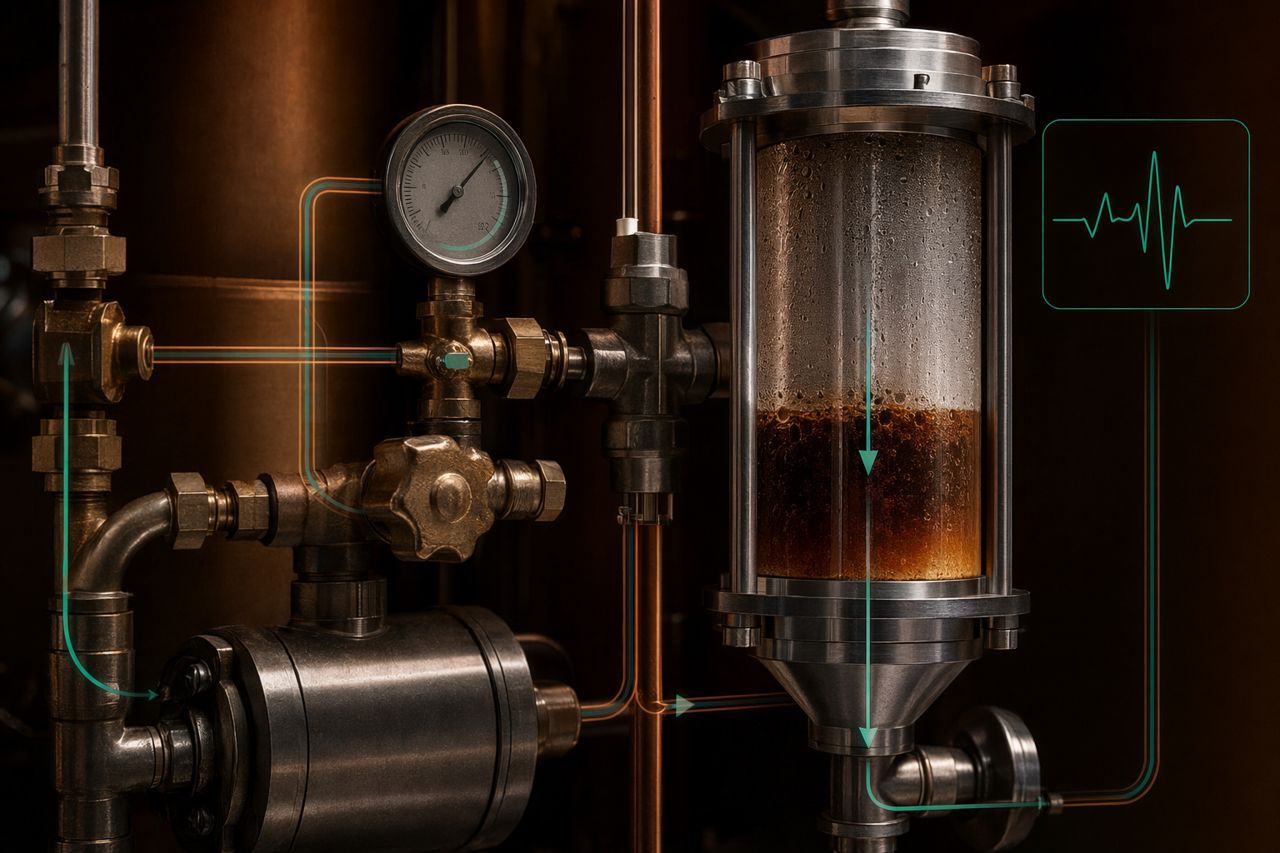
Extraction systems bring a different sanitation profile. Heated extract, dissolved solids, insoluble fines, oils, and concentration steps can leave soils that affect flow, heat transfer, and filtration behavior.
Common warning signs include:
In these systems, enzyme selection and placement should be tied to the actual residue problem. A plant may need support for polysaccharide-rich viscosity, insoluble suspended material, proteinaceous films, or mixed organic deposits. The right answer depends on the process map, temperature window, contact time, pH range, and downstream constraints.
Seasonal shutdowns can magnify small sanitation gaps. Equipment that is acceptable during continuous operation may become a risk when residues dry, lines sit stagnant, or moisture remains trapped behind gaskets and in low points.
Shutdown sanitation should be planned as a separate operating mode, not simply a longer version of daily cleaning.
A strong restart plan protects production time. It also prevents the first batches of the season from becoming a troubleshooting exercise.
Validation does not need to be theoretical. For coffee processors, the most useful program connects cleaning performance to operating indicators the plant already cares about.
Useful validation questions include:
Parchline Catalytics supports validation by helping teams define residue targets, identify where enzyme-supported steps may belong, and evaluate outcomes in terms that matter to production and quality teams.
Use this checklist when reviewing a wet coffee, extraction, or concentrate line.
Sanitation failures are often caused by small assumptions:
These gaps can show up as slower filtration, inconsistent extract handling, more frequent manual cleaning, higher water usage, and unplanned downtime.
Parchline Catalytics supplies enzyme solutions for coffee processing plants that need controlled support around extraction, viscosity, filterability, residue management, and process consistency.
For sanitation-related projects, our technical support can help with:
We focus on practical deployment. The goal is not to complicate your sanitation program. The goal is to help your plant remove the residues that slow the line, destabilize filtration, and make seasonal restart less predictable.
It is worth speaking with an enzyme supplier when your plant sees recurring issues such as:
A short technical review can identify whether enzyme support is relevant, where it should be tested, and what operating outcomes should be measured.
If your coffee processing plant is reviewing sanitation performance, shutdown readiness, extraction support, or residue-related filtration problems, Parchline Catalytics can help define a practical enzyme solution and validation path.
Request a quote through the on-site form and include your process area, residue concern, temperature range, pH range, contact time, and target outcome.
Tell us your application and volume — we reply with pricing and lead time.