Washed Coffee Processing: How Mills Are Reducing Water Load Without Rewriting Their Entire Line
Washed coffee processing is under pressure from two sides: tighter water availability and tighter wastewater expectations. For mills, the challenge is not simply “use less water.” It is to reduce water load without slowing cherry intake, compromising mucilage removal, increasing tank risk, or creating filtration problems downstream.
That is where practical process control matters. The most effective mills are not replacing their entire line. They are tightening the points where water, solids, viscosity, and residence time interact.
Parchline Catalytics works with coffee processors that need controlled enzyme support for depulping, mucilage management, extraction, clarification, and wastewater load reduction. As an enzyme supplier for coffee processing, our focus is plant-floor performance: easier separation, improved flow, more predictable filtration, and validation support that fits existing equipment.
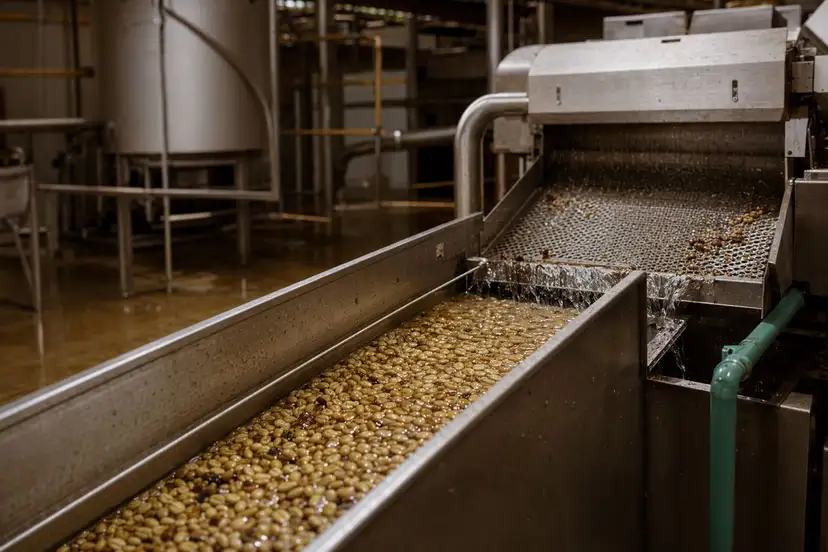
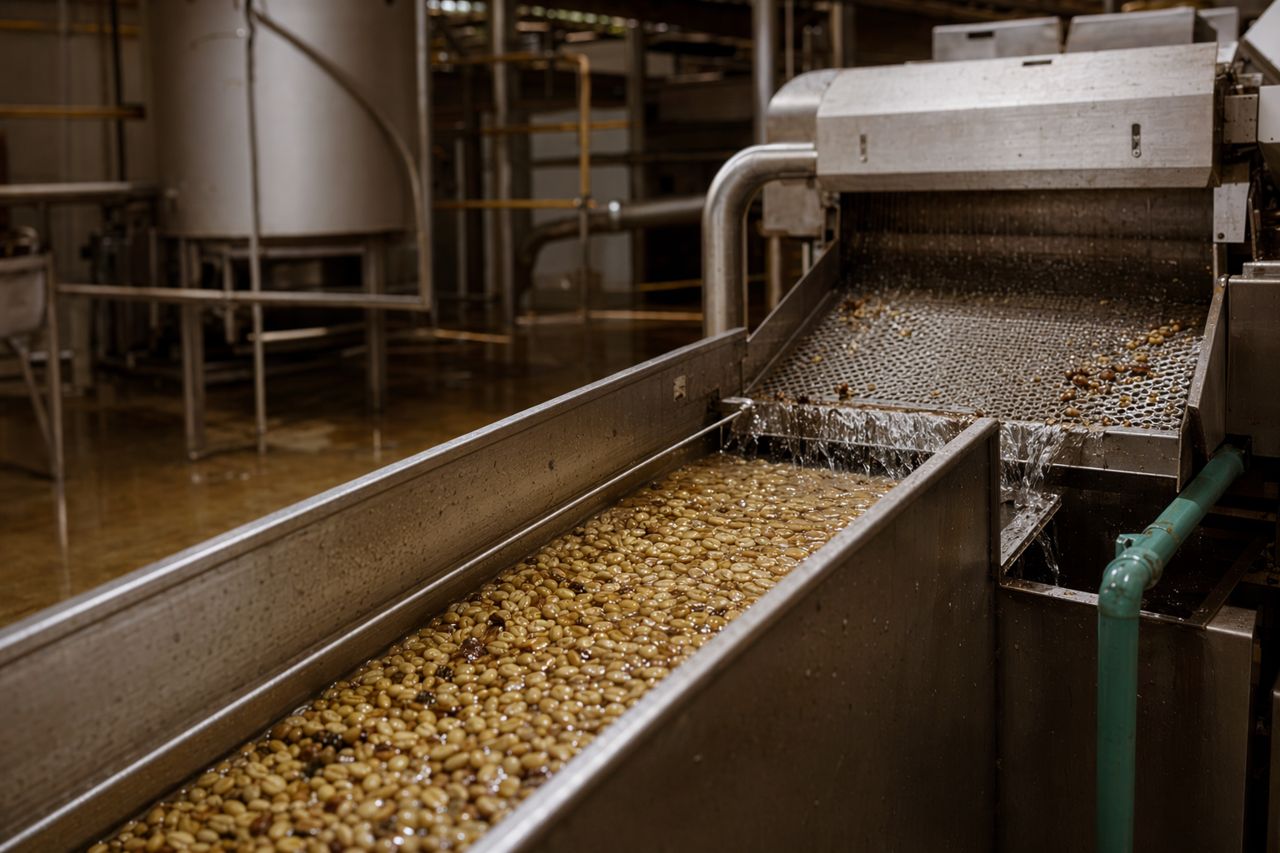
Where water load builds up in a washed coffee mill
In a conventional washed line, water demand accumulates across several points:
- Cherry receiving and flotation
- Pulp transport and separation
- Mucilage breakdown or fermentation
- Washing channels and mechanical demucilaging
- Recirculation loops
- Screen cleaning and solids flushing
- Wastewater handling and settling
Each point adds hydraulic volume. More importantly, each point carries suspended solids, dissolved organics, mucilage fragments, sugars, fines, and plant polymers that influence viscosity and wastewater behavior.
Reducing water use is rarely a single-valve decision. If water is cut too aggressively, mills can see:
- Higher slurry viscosity
- Poorer separation of parchment and mucilage
- Longer drain times
- Increased screen blinding
- More uneven fermentation or mucilage removal
- Higher operator intervention
- Wastewater streams that are harder to settle or treat
The operational target is controlled reduction: less fresh water per batch or per run, without making the line less stable.
The practical shift: from once-through water to managed flow
Many washed coffee plants are moving away from high-volume once-through water use toward managed flow strategies. These include partial recirculation, staged washing, improved solids capture, and more deliberate separation of high-load and low-load streams.
The change sounds simple, but it affects the entire plant balance. Recirculated water carries dissolved and suspended materials back into the process. If those materials increase viscosity or interfere with separation, throughput can suffer.
A strong water-reduction program usually combines four moves:
- Separate heavy-solids streams early.
- Reduce mucilage viscosity before it creates bottlenecks.
- Recirculate only where water quality remains process-compatible.
- Validate final cup, moisture, and process consistency against the mill’s quality targets.
Enzymes can support this strategy when they are used as a processing tool, not as a generic additive.
Why mucilage behavior matters
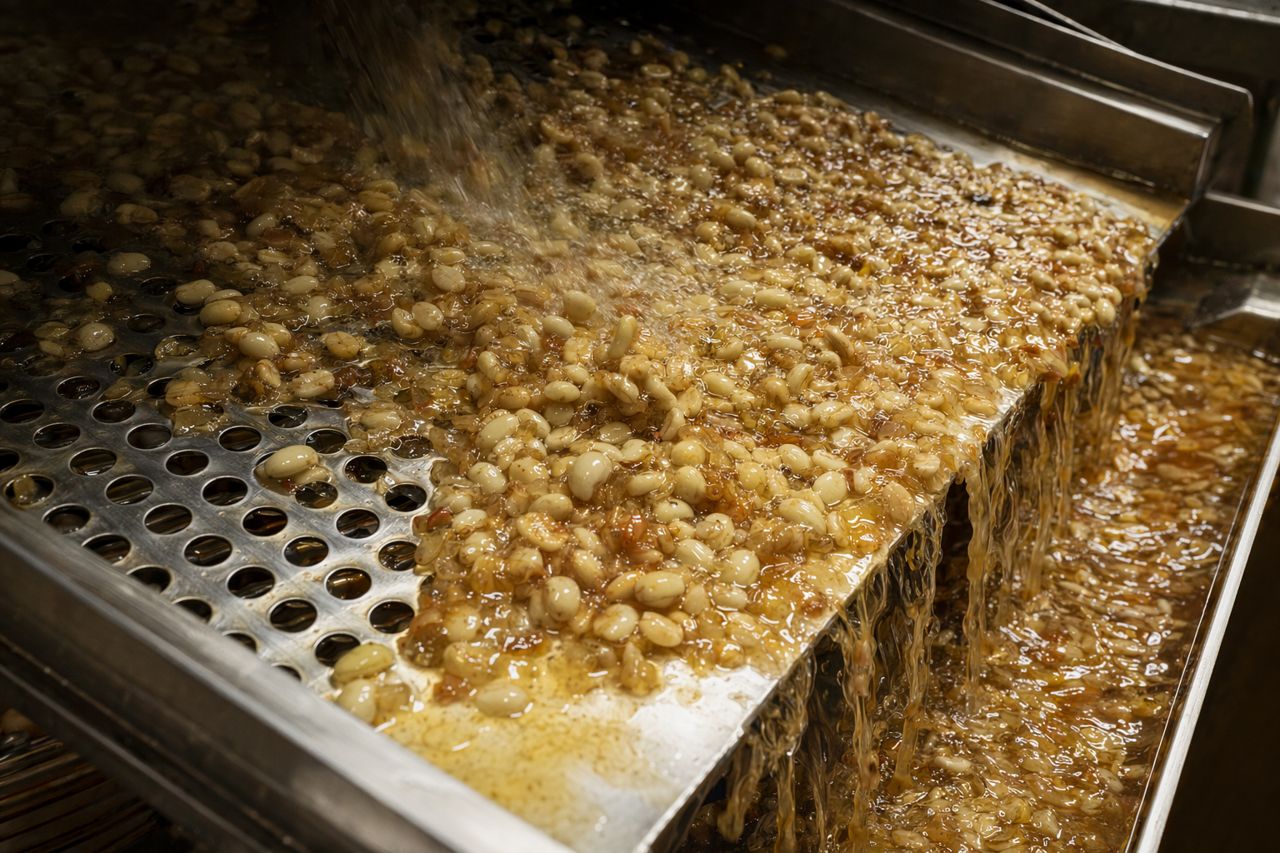
Coffee mucilage is not just a sticky surface layer. It contains pectic materials, soluble carbohydrates, and plant-derived polymers that affect water demand and separation behavior. When mucilage remains highly cohesive, it can hold water, trap fines, increase viscosity, and slow mechanical removal.
Targeted enzyme processing can help modify these structures under controlled conditions. The intended plant-floor outcomes are straightforward:
- Faster loosening of mucilage from parchment
- Lower slurry viscosity
- Cleaner separation during washing or mechanical demucilaging
- Reduced need for repeated flushes
- More consistent discharge from tanks and channels
- Improved downstream settling or filtration behavior
This is not about forcing a flavor shortcut. It is about giving the mill better control over a difficult physical material.
Reducing water load without creating a new bottleneck
A mill can reduce incoming water and still lose productivity if the line becomes harder to run. That is why water-load projects should be evaluated against operational metrics, not just water meter readings.
Metrics worth tracking
Processing managers typically need to monitor:
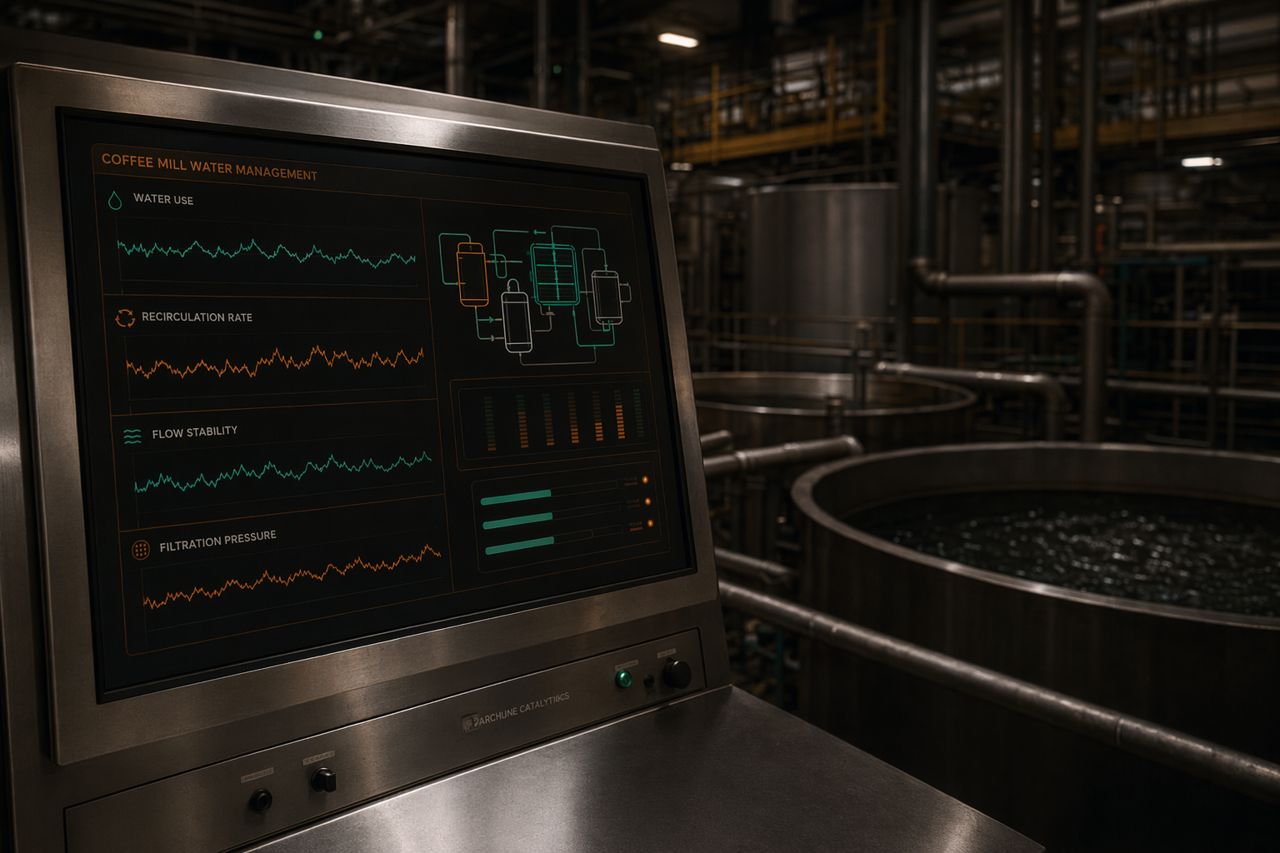
- Fresh water use per lot, batch, or production day
- Recirculated water ratio by process zone
- Slurry viscosity or observed flow behavior
- Drain and wash time
- Screen cleaning frequency
- Settling performance and sludge volume
- Wastewater chemical and solids load trends
- Operator interventions per shift
- Lot consistency and quality release results
The best programs reduce water demand and keep the line predictable.
Where enzyme support can fit into an existing washed line
Enzyme application does not require a full plant rebuild. In many cases, it can be evaluated within existing tanks, channels, recirculation loops, or controlled dosing points.
1. After depulping
Post-depulping application can support mucilage loosening before washing or mechanical removal. This can help reduce the amount of water needed to move from sticky parchment to a cleaner, more separable surface condition.
2. In controlled soaking or holding stages
Where mills already use tanks or holding steps, enzyme support may improve process consistency by reducing dependence on uncontrolled fermentation variability. Residence time, temperature, pH, and lot condition still matter, but the process becomes easier to define and repeat.
3. Ahead of mechanical demucilaging
Reducing mucilage cohesion before mechanical treatment can lower the burden on equipment and improve discharge behavior. The goal is not to over-process the coffee; it is to help the machine do its job with less water and less rework.
4. In wastewater and solids management trials
Some mills evaluate enzyme support for reducing viscosity and improving handling of high-load streams before screening, settling, or further treatment. The right approach depends on the wastewater system and compliance target.
Recirculation only works when the water stays usable
Water recirculation can reduce fresh water demand, but it can also concentrate organic load. As solids and soluble material increase, the recirculated stream may become less effective for washing and more likely to carry odor, microbial, or viscosity concerns.
A controlled recirculation plan should define:
- Which streams are clean enough to reuse
- Which high-load streams should be separated
- How often recirculated water is refreshed
- Where screening or settling occurs
- How process quality is checked during extended runs
- When water quality triggers a changeover or purge
Enzyme-assisted viscosity reduction can make recirculation more manageable in some systems, especially where mucilage-rich water creates flow or settling issues.
What not to do
Water reduction projects fail when they are treated as a simple restriction exercise. Common problems include:
- Cutting wash water without addressing mucilage behavior
- Recirculating heavy-load streams into sensitive process points
- Ignoring screen and channel cleaning frequency
- Measuring water savings without tracking downtime
- Assuming all lots respond the same way
- Making changes without a validation plan
Washed coffee processing is variable by variety, ripeness, climate, harvest condition, and mill layout. The right technical program should respect that variability.
Validation: proving the change before scaling it
Before a mill scales a water-load reduction program, it should run controlled trials. A practical validation plan compares current process performance against the proposed change under production-relevant conditions.
A useful trial structure includes
- Baseline data from the current washed process
- A defined enzyme addition point and contact window
- Fresh water and recirculation volume tracking
- Observations on viscosity, flow, and discharge
- Screen cleaning and downtime records
- Wastewater solids and load trend checks
- Finished parchment and quality assessment
- Operator feedback from the shift team
Parchline Catalytics supports this type of validation with process-focused recommendations, trial planning, and adjustment guidance. The aim is to help mills make defensible operating decisions, not guess at dosage or rely on one-off observations.
Commercial value for coffee processors
For a washed coffee plant, the commercial value of reducing water load is broader than water cost alone. It can affect plant availability, compliance risk, wastewater handling, and production consistency.
Potential value areas include:
- Lower fresh water demand
- Less hydraulic load to wastewater systems
- Reduced solids handling pressure
- Fewer flow restrictions caused by sticky mucilage
- Shorter or more predictable washing steps
- Better use of existing tanks and channels
- Improved consistency across lots and shifts
- Stronger documentation for customer and regulatory discussions
The business case is strongest when water reduction and process stability are engineered together.
How Parchline Catalytics helps
Parchline Catalytics supplies enzyme solutions for coffee processing plants that need practical, validated performance. We work with processing managers, technical teams, and procurement groups to align enzyme selection with equipment layout, process goals, and quality requirements.
Our support can include:
- Application point review
- Process constraint mapping
- Trial protocol support
- Scale-up guidance
- Compatibility discussions for existing tanks, channels, and recirculation loops
- Performance documentation for internal approval
We do not treat coffee processing as a generic fluid problem. We focus on the realities of parchment, mucilage, water load, filtration, and wastewater behavior in operating mills.
Request a quote
If your mill is evaluating lower-water washed processing, recirculation, mucilage control, or wastewater load reduction, Parchline Catalytics can help define a practical enzyme trial.
Request a quote through the on-site form
Share your process stage, current bottleneck, approximate production scale, and target outcome. Our team will respond with a commercially direct recommendation for the next step.