Wet Mill Bottlenecks After Depulping | Coffee Enzyme Supplier
Where coffee processing plants lose time after depulping: mucilage variability, tank availability, washing load, labor pressure, and enzyme-supported control.
Request pricing Where coffee processing plants lose time after depulping: mucilage variability, tank availability, washing load, labor pressure, and enzyme-supported control.
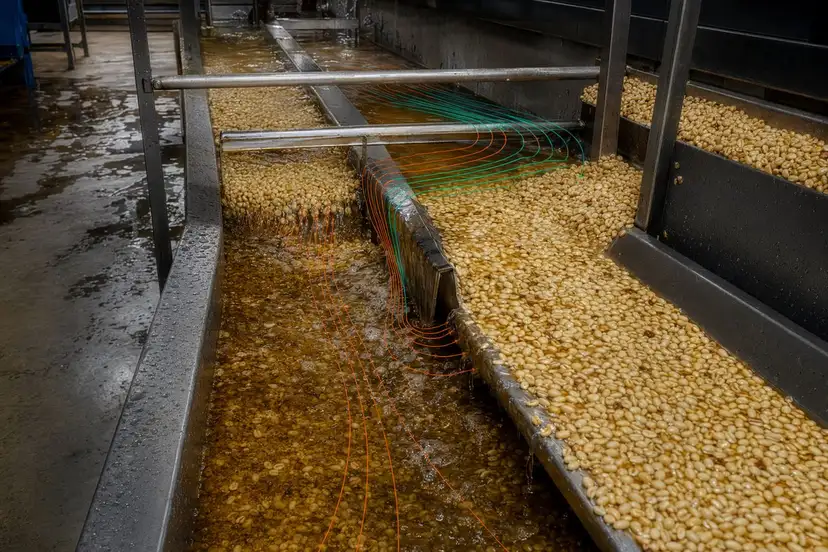
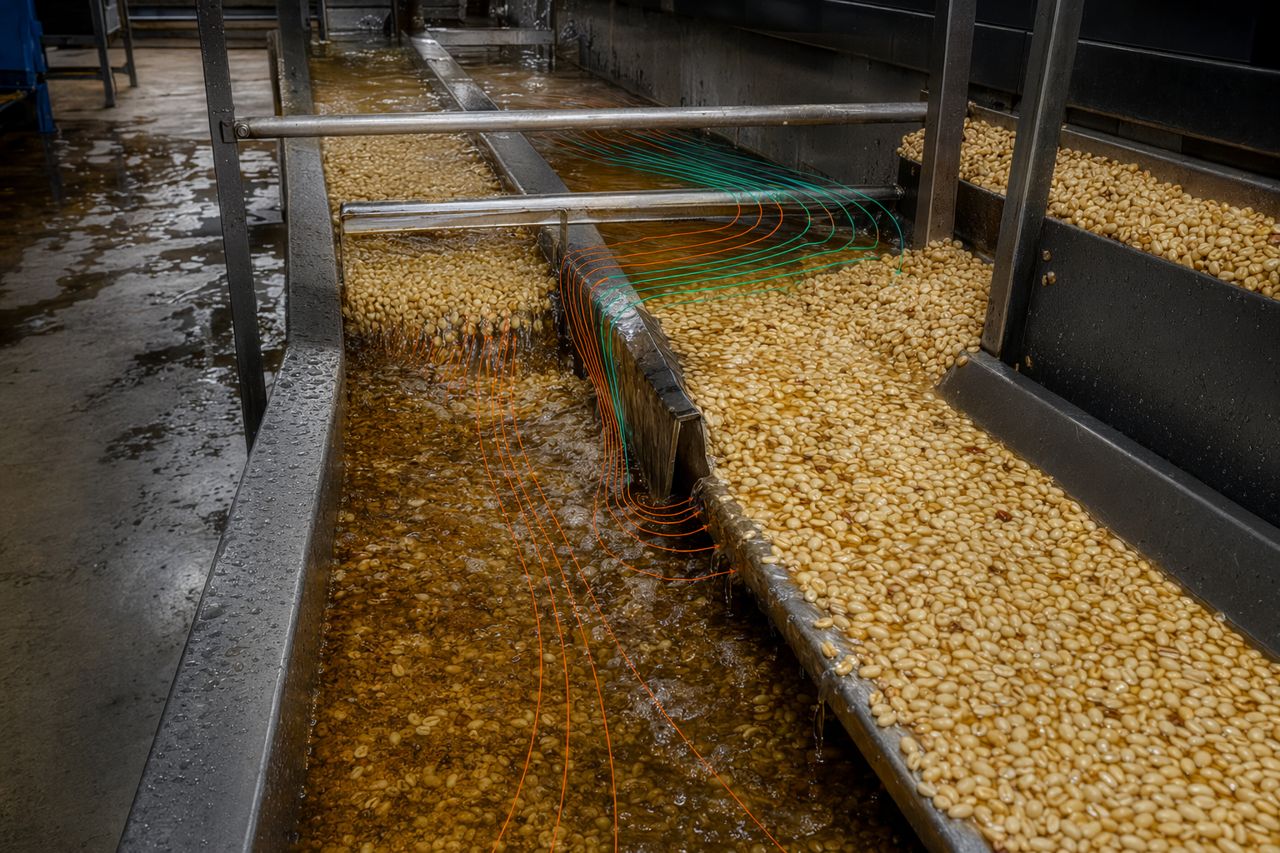
Request pricingAfter depulping, the coffee process looks simple on a flow chart: hold, ferment, wash, move forward. On the plant floor, that section often decides whether the wet mill runs in control or spends the season recovering from delays.
For processing managers, the issue is rarely one dramatic failure. It is usually a chain of small constraints: mucilage that releases slower than expected, tanks tied up past schedule, washing channels running longer, crews waiting for confirmation, and receiving pressure building at the front end of the line.
For plants evaluating an enzyme supplier for coffee processing, the business question is not whether enzymes are interesting. It is whether a controlled enzyme program can help make post-depulping operations more predictable without disrupting the mill’s quality target, equipment layout, or seasonal throughput plan.
Freshly depulped coffee is not a uniform industrial feedstock. Mucilage load changes by variety, cherry maturity, altitude, weather, harvest timing, and the condition of incoming fruit. Even within the same day, lots can behave differently.
That variability shows up as:
When mucilage behavior is predictable, the plant can plan. When it is not, the mill protects quality by adding time, labor, and water. That protection is understandable, but it consumes capacity.
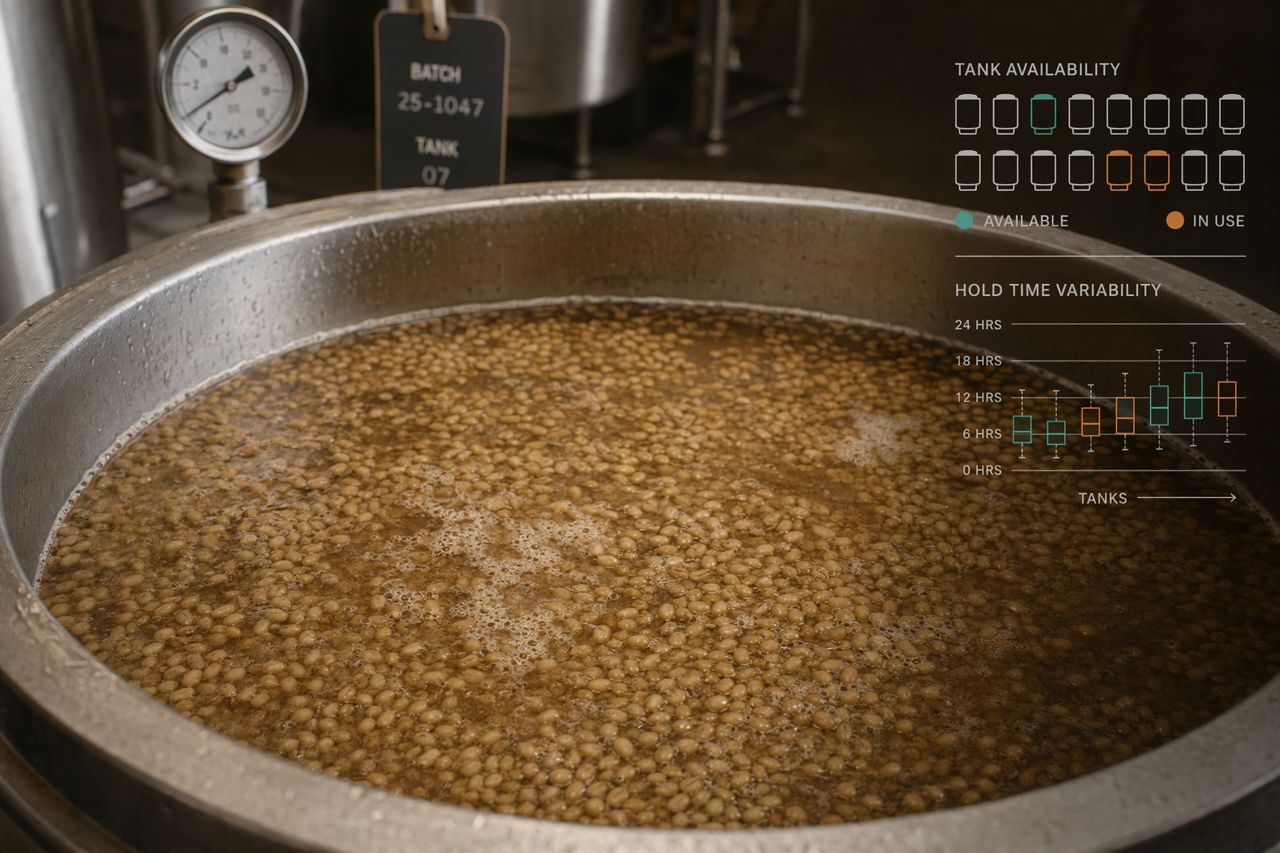
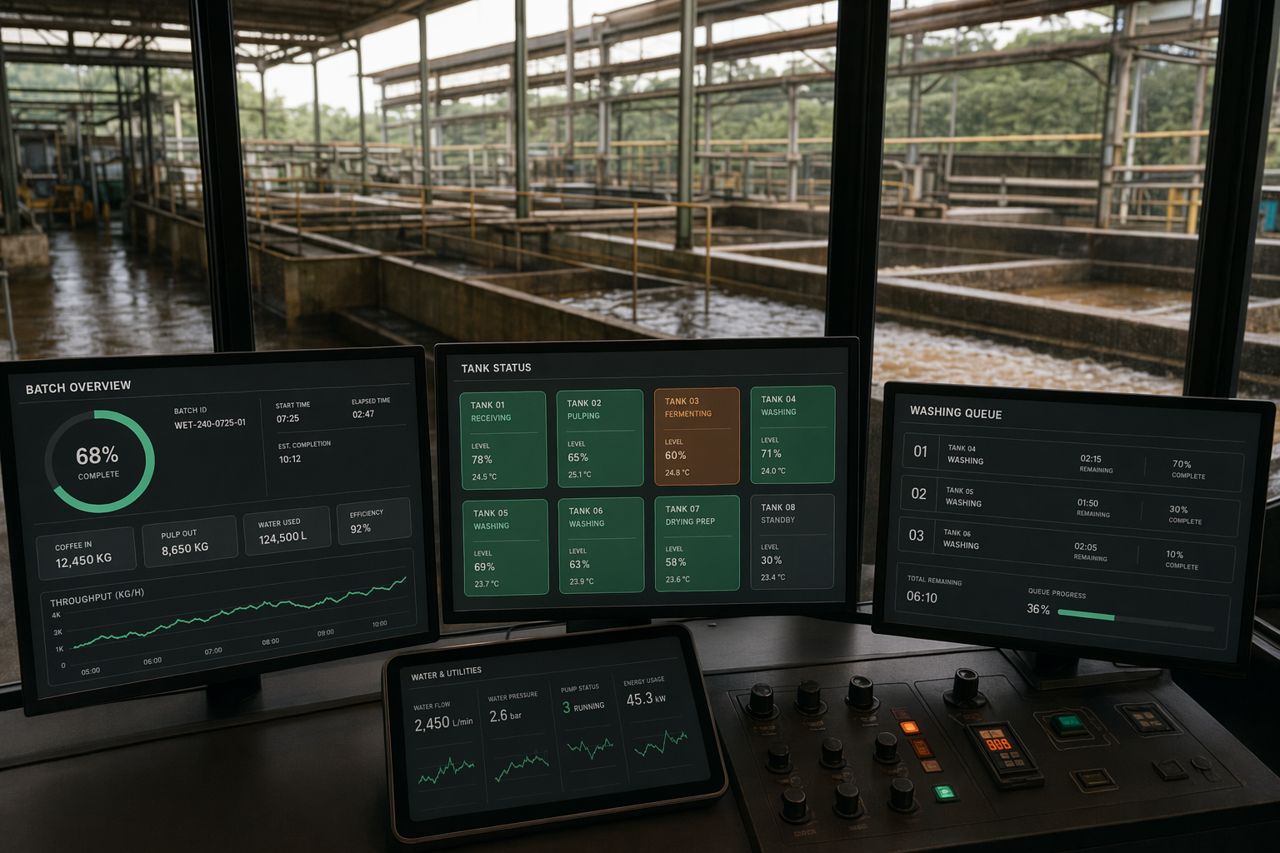
In many wet mills, tanks are treated as fixed infrastructure rather than active production assets. During peak intake, however, tank availability becomes one of the main limits on throughput.
A tank held longer than planned does not only delay one batch. It can force upstream depulping pauses, create receiving congestion, complicate lot segregation, and push labor into unplanned hours.
The practical questions are direct:
A well-designed enzyme approach is not a substitute for process discipline. It is a tool to reduce variation in the step that often causes tanks to be held longer than the production plan allows.
Washing is frequently where the cost of inconsistent mucilage breakdown becomes visible. If parchment still carries heavy mucilage, the plant compensates with time, water movement, mechanical handling, or repeated checks.
The result is not just slower washing. It is a less stable operating rhythm:
In enzyme-supported processing, the goal is to help weaken targeted mucilage structures so separation and washing become more controllable. The commercial value is measured in plant behavior: shorter uncertainty windows, steadier release timing, and fewer surprises during peak load.
Wet mills often run under seasonal labor constraints. Skilled operators know the process, but peak harvest compresses decision-making into long shifts and tight windows.
When post-depulping timing is uncertain, the plant relies more heavily on experienced judgment. That may work on moderate days. Under peak intake, it becomes a risk multiplier.
Common symptoms include:
Process aids should make the operation easier to run, not more complex. Parchline Catalytics supports enzyme programs that fit the mill’s actual workflow: dose point, contact time, temperature range, water practices, tank turnover targets, and quality requirements.
The post-depulping stage is a natural control point because mucilage structure drives so many downstream constraints. Enzyme solutions can be used to support controlled breakdown of selected carbohydrate structures in the mucilage layer, improving the plant’s ability to move batches forward with less variability.
Potential plant-level benefits include:
The objective is not to rush every batch blindly. The objective is to create a tighter operating window that the plant can validate and manage.
A credible enzyme program starts with the wet mill’s real constraints. Parchline Catalytics frames evaluation around production outcomes, not generic claims.
Typical validation priorities include:
Baseline mapping
Review current depulping flow, tank hold practices, washing steps, lot segregation, and seasonal bottlenecks.
Process fit
Identify where an enzyme addition can be made without creating new handling complexity or quality risk.
Controlled comparison
Compare treated and standard lots under practical plant conditions, with attention to release timing, washing behavior, operator workload, and downstream schedule impact.
Quality confirmation
Confirm that process improvement supports the plant’s defined coffee quality targets, including clean processing character and consistent parchment condition.
Scale-up plan
Convert trial learning into operating guidance for peak-season use, including mixing, contact management, operator checkpoints, and documentation.
The right supplier should understand that wet mill capacity is not theoretical. It is built around receiving pressure, equipment limits, labor availability, water handling, and the need to keep quality decisions defensible.
When assessing an enzyme supplier, ask:
Parchline Catalytics works with coffee processing plants that need enzyme solutions tied to measurable operational outcomes: throughput, consistency, washing control, and downtime reduction.
Wet mill bottlenecks after depulping are costly because they sit at the intersection of biology and capacity. The plant cannot control every variable in incoming fruit, but it can improve how the process responds.
A validated enzyme program can help turn mucilage breakdown from an open-ended waiting period into a managed processing step. That means better tank planning, more predictable washing, fewer labor disruptions, and a stronger basis for peak-season decisions.
If your plant is reviewing post-depulping bottlenecks, Parchline Catalytics can help assess where enzyme support may fit your line.
Request a quote through the on-site form to start a technical discussion around your wet mill layout, seasonal constraints, and validation goals.
Tell us your application and volume — we reply with pricing and lead time.