Tannase for Coffee Processing | Parchline Catalytics
Parchline Catalytics supplies tannase for coffee extract workflows, supporting filtration, soluble solids handling, clarity, polyphenol management, and plant validation.
Request pricing Parchline Catalytics supplies tannase for coffee extract workflows, supporting filtration, soluble solids handling, clarity, polyphenol management, and plant validation.
Request pricingParchline Catalytics supplies tannase for coffee processing plants that need more controlled extract behavior across soluble coffee, concentrated extract, RTD coffee bases, and ingredient development workflows.
For processors, tannase is not a lifestyle ingredient. It is a process tool used to help manage tannin-like polyphenolic compounds, extract clarity, downstream filterability, and consistency from batch to batch. When evaluated correctly, tannase can support cleaner separation, more predictable extract handling, and reduced instability in high-value coffee products.
If you are looking for an enzyme supplier for coffee processing with plant-floor fluency, application support, and commercially direct sourcing discussions, Parchline Catalytics can help you evaluate tannase against your operating targets.
Tannase is typically evaluated where coffee extract behavior creates friction in the process: haze formation, sediment risk, filter load, high polyphenol interaction, or inconsistent extract performance after concentration and storage.
Common evaluation points include:
The goal is not to change the identity of the coffee. The goal is to improve how the extract behaves through the plant.
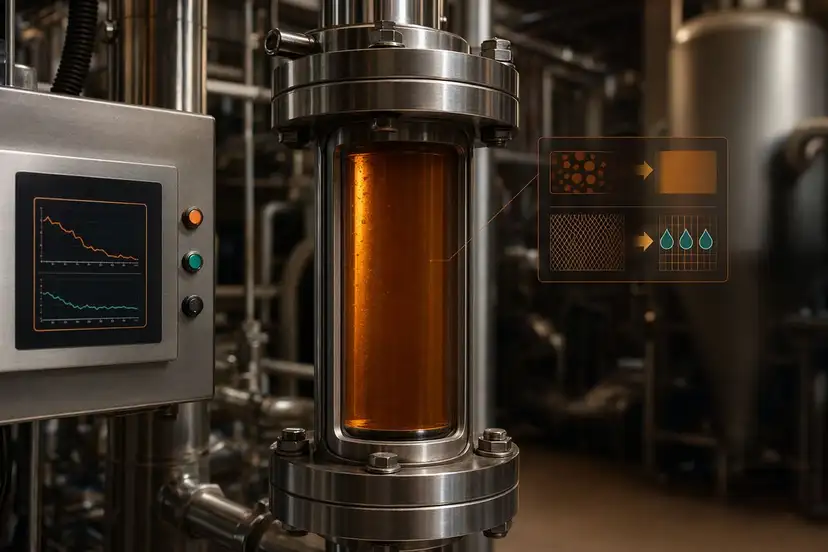
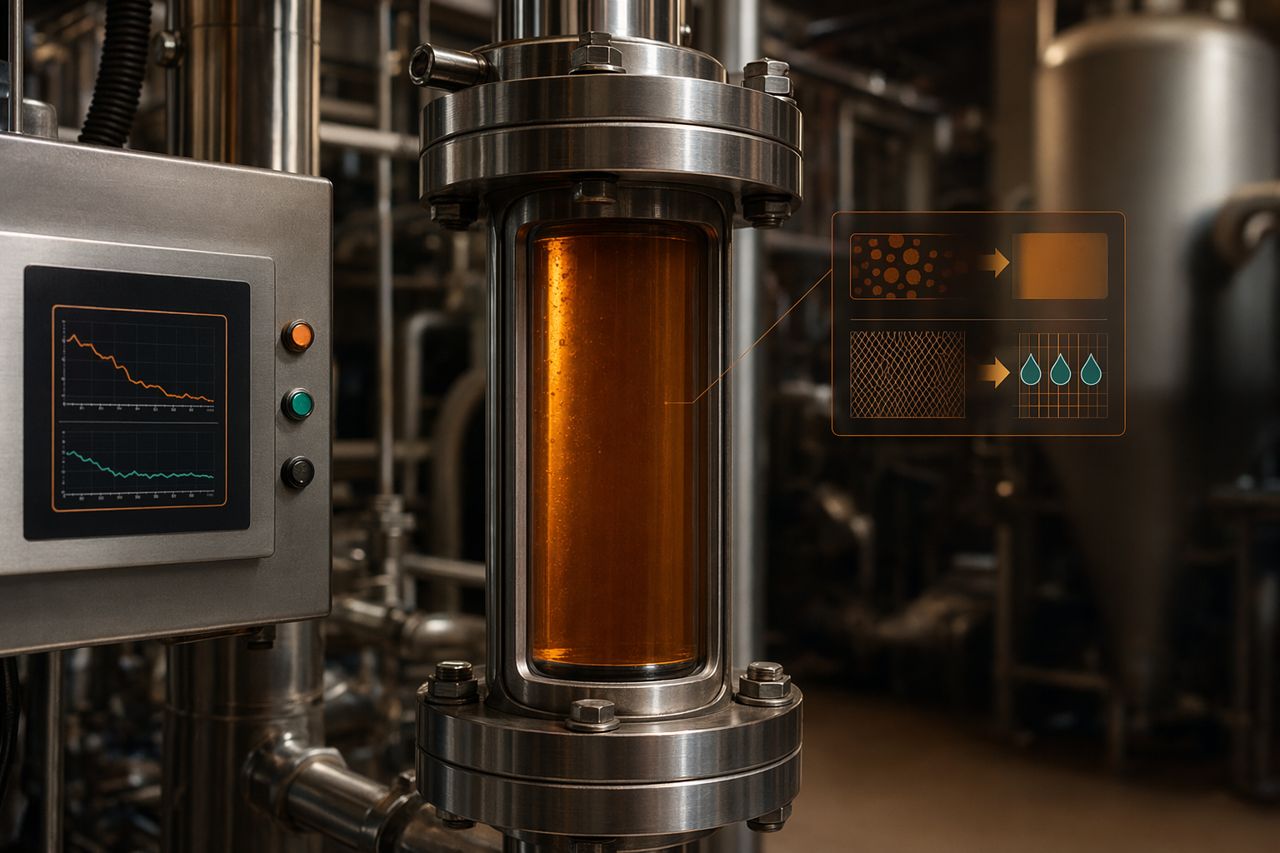
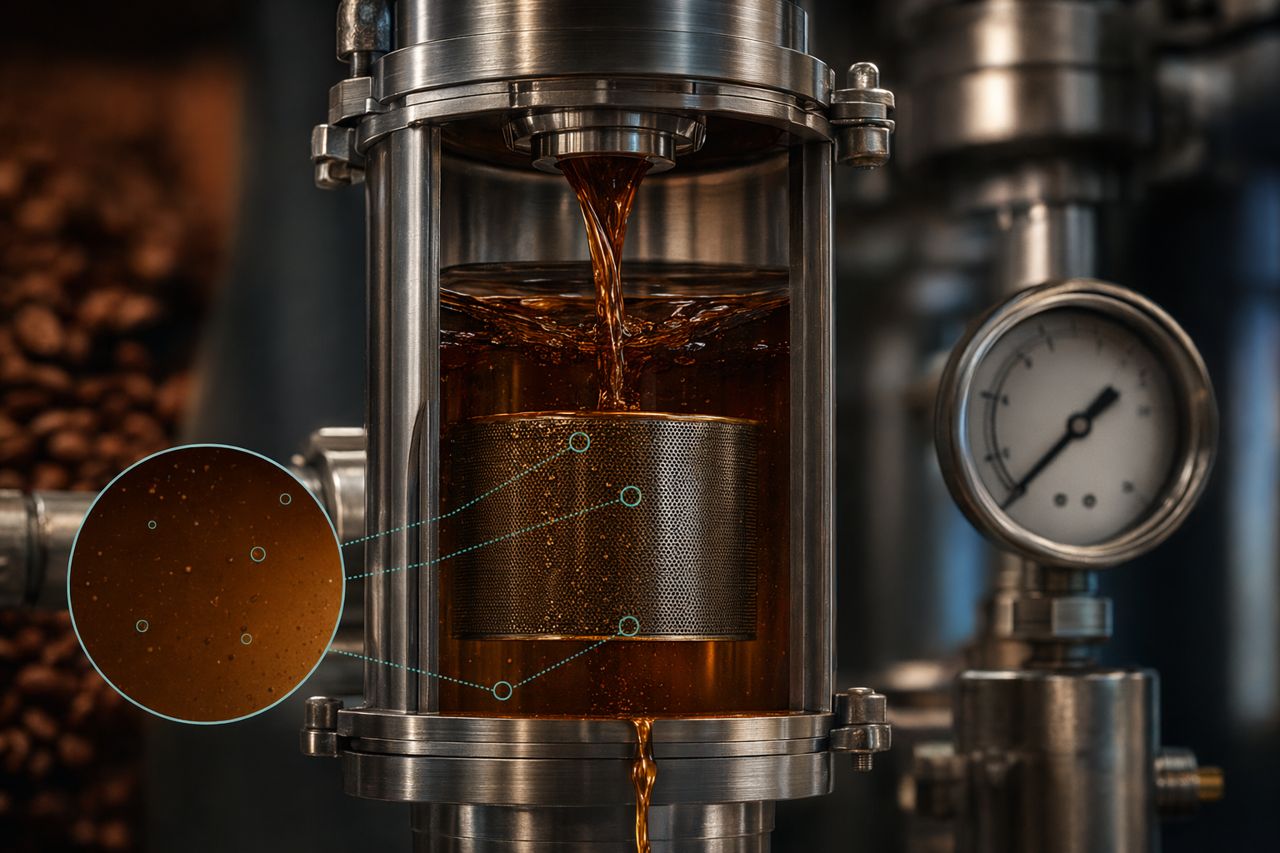
Coffee extracts can carry fine suspended solids, protein-polyphenol complexes, and haze-forming material that increase filter resistance. In appropriate workflows, tannase can help reduce polyphenol-driven interactions that contribute to poor filtration behavior.
Potential plant value:
For RTD coffee bases, concentrates, and ingredient systems, visual stability matters because haze, flocculation, and sediment can create quality failures after the plant has already added value.
Tannase may support:
Coffee contains polyphenolic compounds that influence extract behavior, astringency cues, haze formation, and interactions with proteins, minerals, and other beverage components. Tannase can be evaluated as part of a controlled approach to polyphenol management.
This is especially relevant when coffee extract must perform as an ingredient, not just as a brewed product.
A small change in extract handling can have a large commercial impact when filtration, centrifugation, evaporation, or drying assets are constrained. Tannase evaluation should connect directly to plant metrics.
Typical KPIs include:
In soluble coffee plants, extract consistency before evaporation and drying is critical. Tannase may be evaluated to support better clarification and reduce instability that can appear downstream as fouling, sediment, or inconsistent powder behavior.
Parchline Catalytics helps processors frame the enzyme trial around measurable plant outcomes rather than generic lab claims.
Concentrates magnify extract instability. Compounds that remain manageable in lower-solids extract can become more difficult after concentration. Tannase can be considered when processors need tighter control over haze, sediment, or filtration behavior before concentration and filling.
RTD coffee systems often include minerals, dairy or plant proteins, stabilizers, sweeteners, and flavor systems. Polyphenol interactions can affect stability. Tannase may support ingredient developers who need coffee extract to remain predictable inside a finished beverage matrix.
For B2B ingredient suppliers, tannase can help create coffee extracts with more consistent processing behavior and application performance. This is relevant when selling coffee extract into beverage, bakery, confectionery, dairy alternative, and dry mix applications.
Parchline Catalytics works with processing managers, R&D teams, and procurement groups to define whether tannase is technically and commercially appropriate for the line.
Support can include:
We do not frame tannase selection around confidential assay methods or generic specification language. We focus on whether the enzyme helps your plant run cleaner, faster, and with better release confidence.
Before requesting a quote, it helps to define the operational problem clearly.
Useful details include:
If some of these details are not yet fixed, Parchline Catalytics can still help structure the discussion.
Tannase is best considered when the commercial value of improved extract behavior outweighs the added process step. For plants running high-volume soluble coffee, premium concentrates, or stability-sensitive ingredient systems, the business case can be built around fewer interruptions, better filtration performance, reduced rework, and stronger product consistency.
Parchline Catalytics supplies tannase for B2B coffee processing applications and supports quote discussions with practical process context.
Tell us what coffee stream you are working with, the issue you are trying to solve, and the scale of your planned trial or production need. Our team will respond with sourcing options and application next steps.

Tell us your application and volume — we reply with pricing and lead time.